Last year I discovered that it is possible to use simple photocopied images to create images on porcelain. At the time I was looking for new ideas as a part of my studies. I found myself on the Ceramics Arts Daily website watching a YouTube video of Kristina Bogdanov demonstrating creating lithographs on clay. The first time I tried it was for a solo exhibition at the Royal Cornwall Museum called Lepidoptera . I created 240 images of butterflies to cover the walls of the gallery. It extremely repetitive but was a sure way to hone my skills!
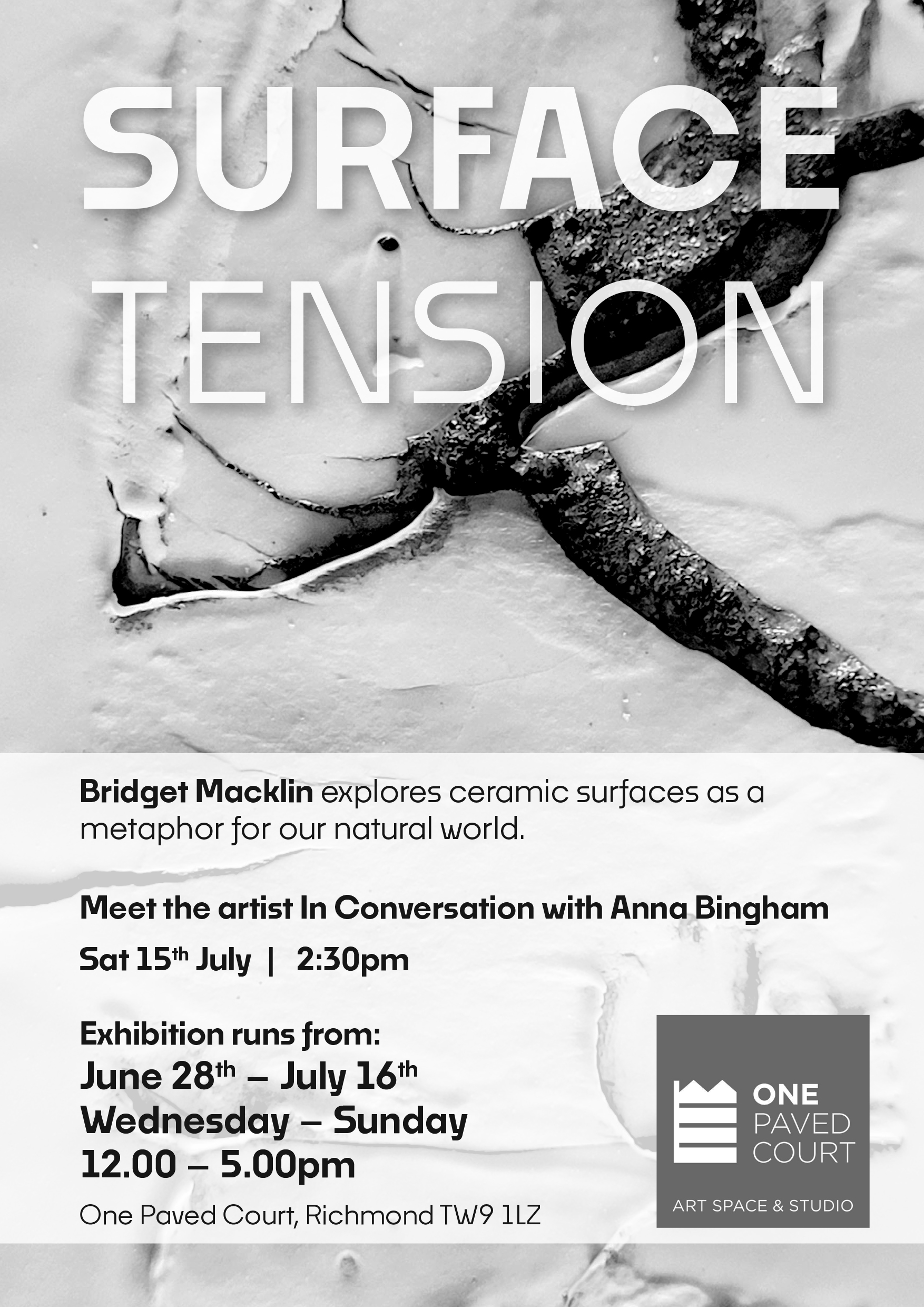
Now I am using lithography again for a new exhibition, Surface tension. I have been using images of mosses given to me by Cathy Wilson, chair of the Alton Natural History Society, to develop lithographs of mosses, fungi and minibeasts – the little things which many of us generally ignore but are so important for the roles they play in our ecosystems.
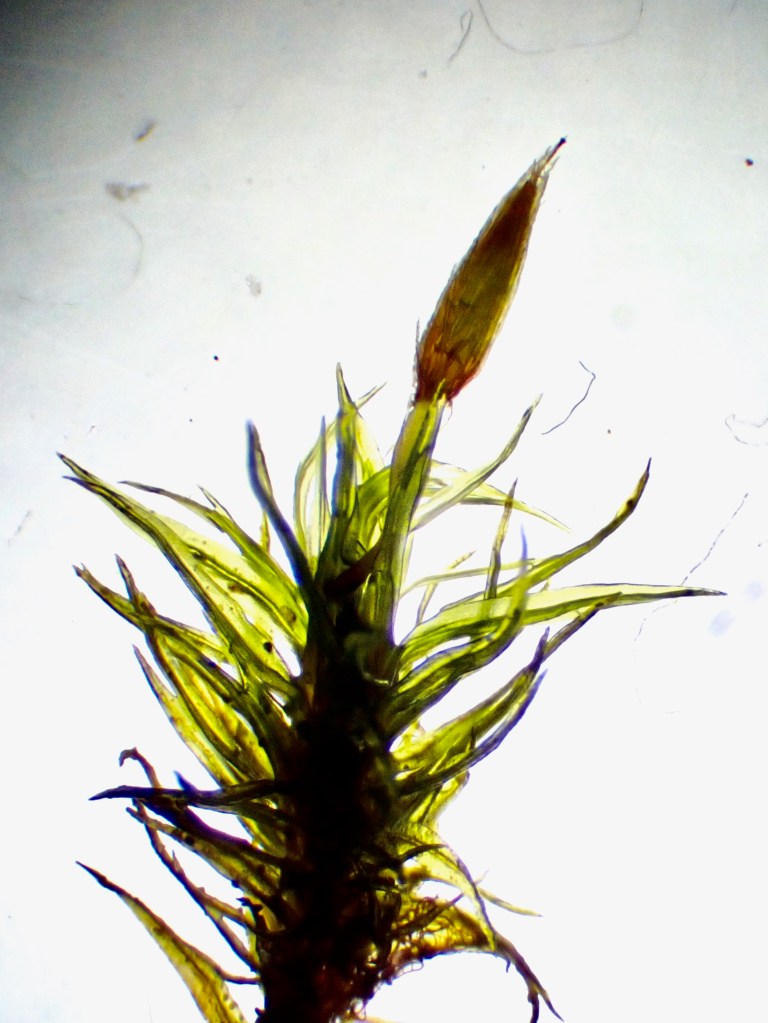
Cathy Wilson’s photograph of Ulota bruchii,Bruch’s Pincushion, a moss found on Blacknest Fields conservation project in Hampshire.
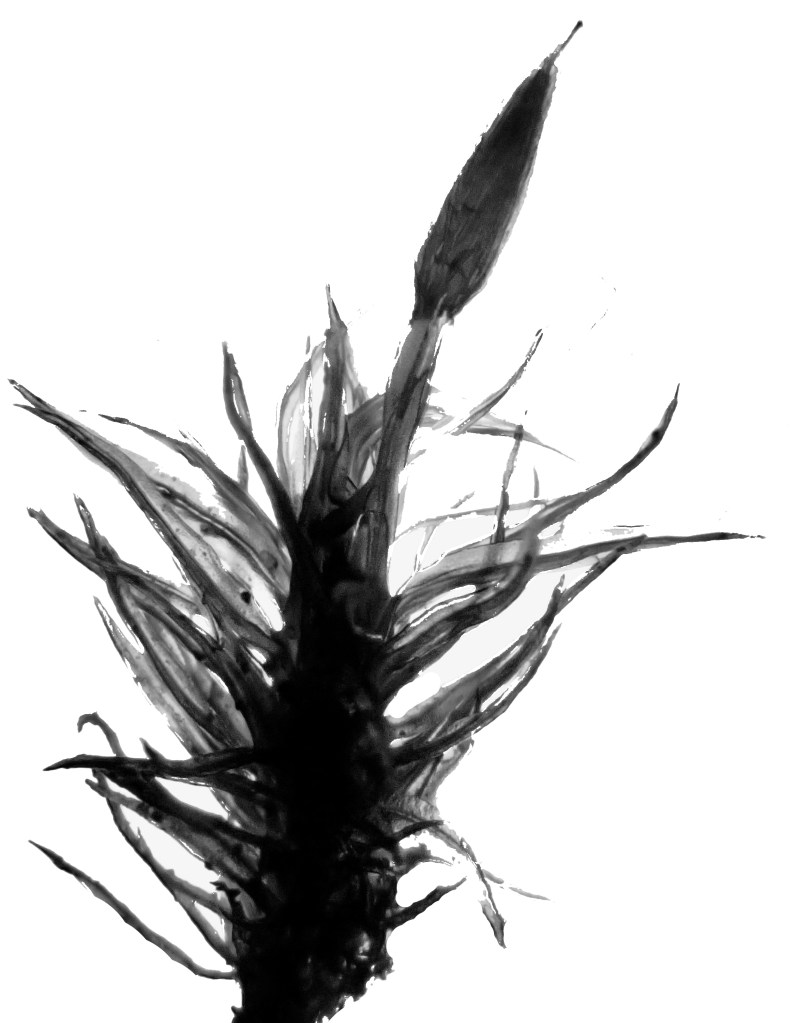
Moss image made very ‘contrasty’ ready for printing.
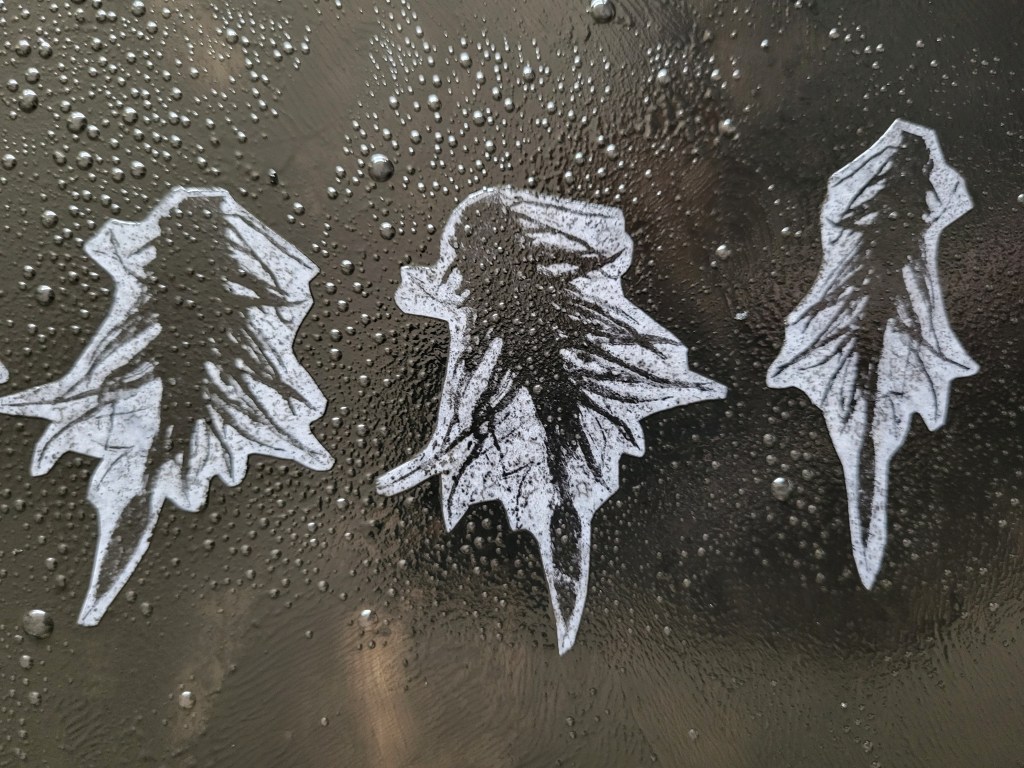
preparing individual lithographs
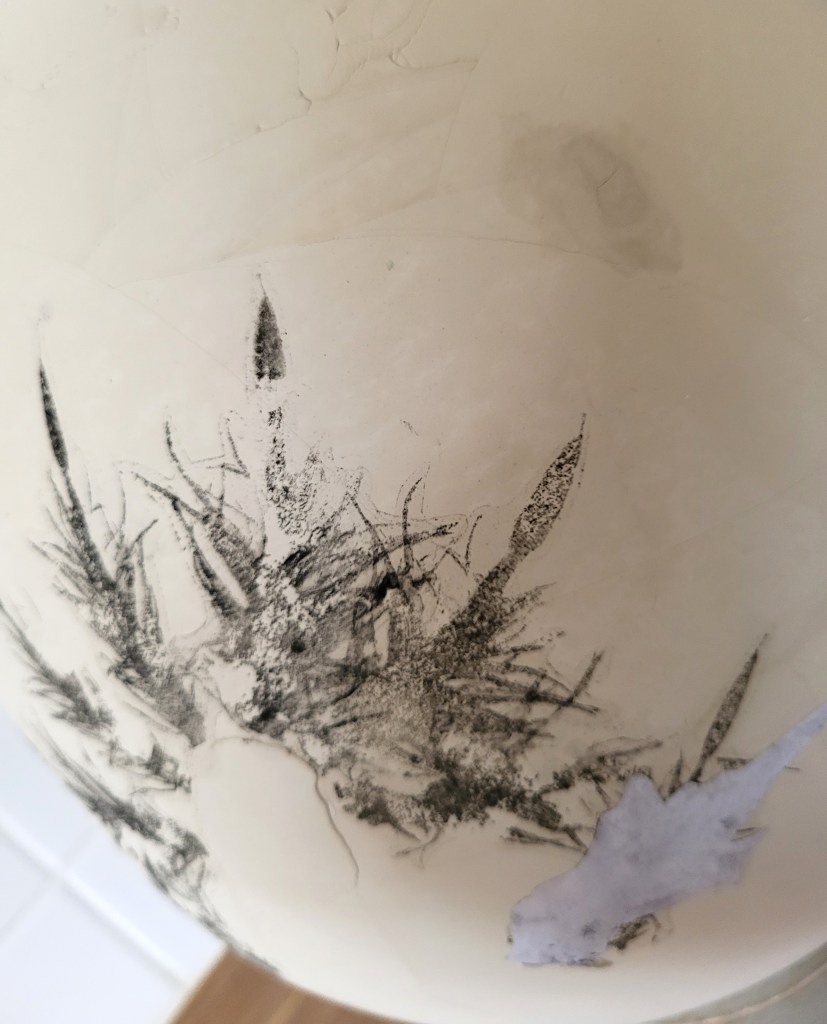
Applying the lithographs to raw clay: not easy as the surface is curved and the clay is extremely thin. Also, I had to be careful to prevent the ink running down the vessel and staining the very white porcelain.
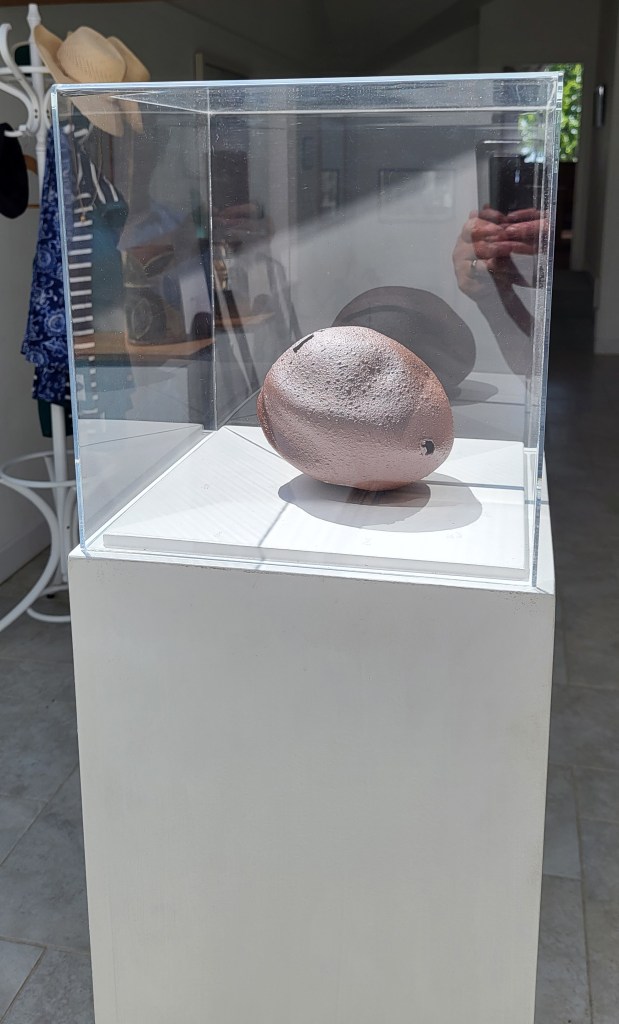
This piece has now come though the kiln and will be at the exhibition at One Paved Court from 28th June – 16th July 2023. Why not make a date to come and view it there?
 Bridget Macklin