Why Craft Festivals Are Good For Me.

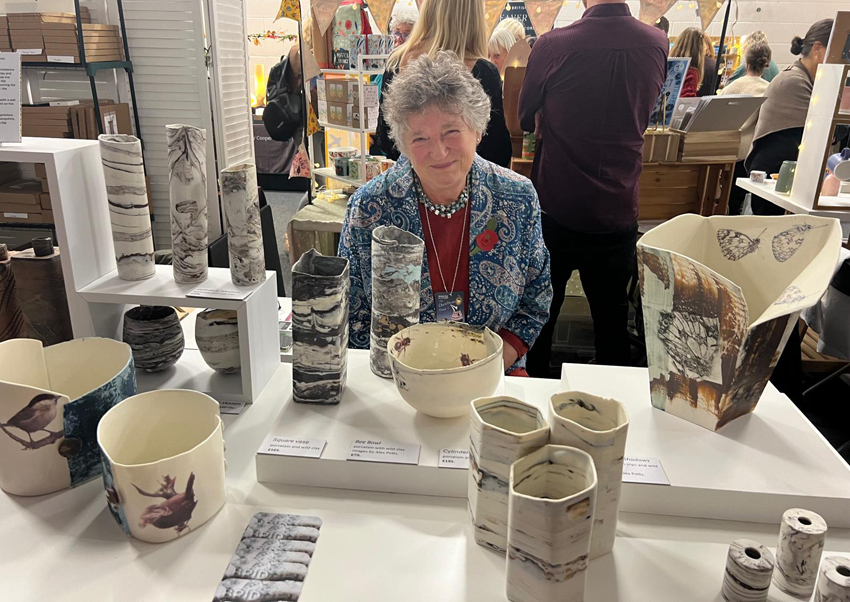
Last weekend found me selling my wares at the Makers Cornwall Christmas Fair. Sixty or so stalls were set out and thousands of people visited. It was a long, tiring few days and I came home absolutely on my knees. By Sunday afternoon my head was banging, my body was fizzing and my feet were very sore. I was also hoarse from multiple conversations with potential purchasers and people interested in what I do.
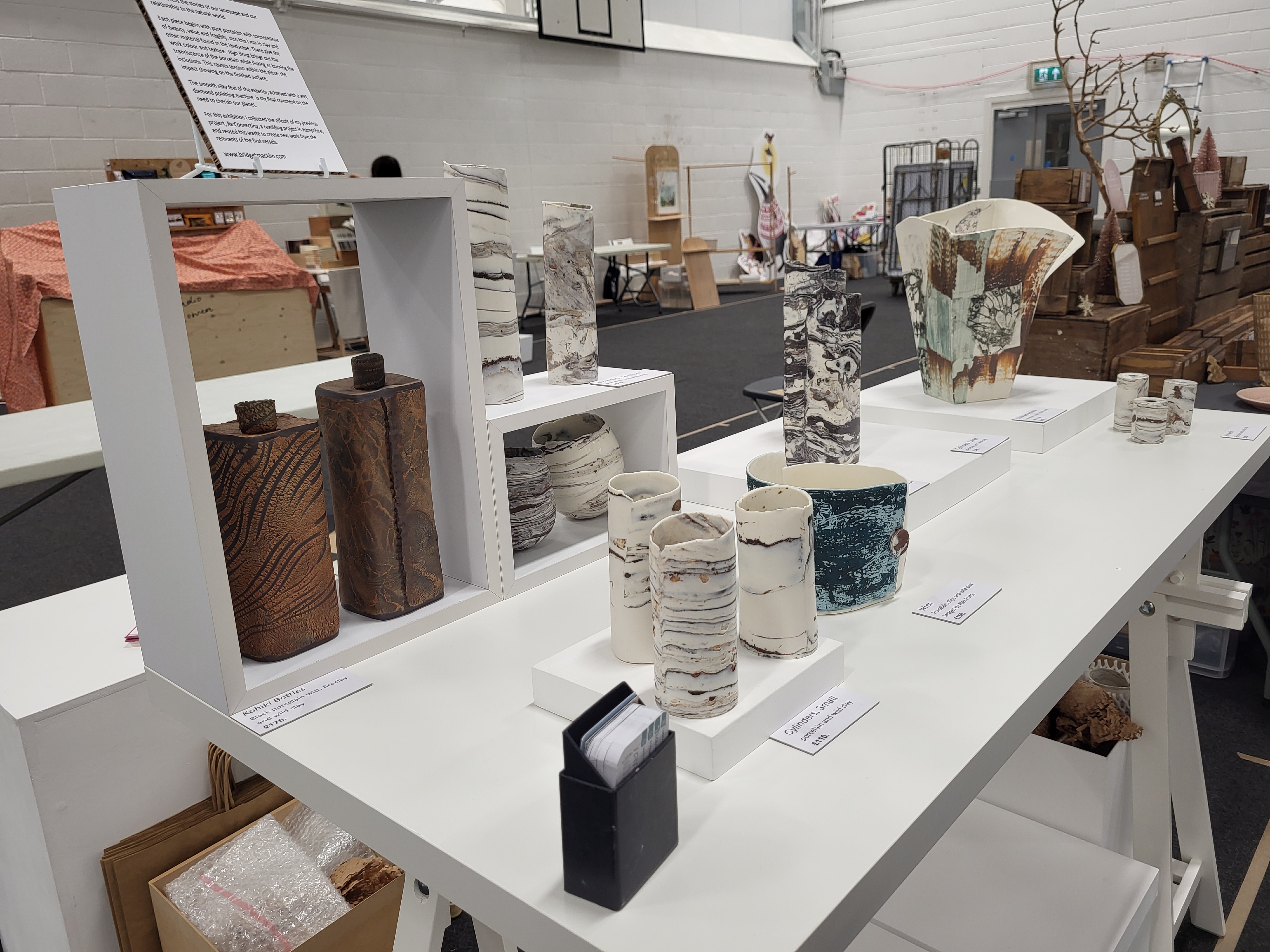
So why do I subject myself to such a frenzy?

Firstly, it is a great opportunity to meet the people who appreciate your work. Handing a piece straight over to a smiling purchaser is very gratifying.

Secondly, it is a really good place to catch up with other makers. Creating in a home-based studio is often lonely. Sharing a weekend with like minded people is a great time to re-boot ones mood and have a bit of a sanity check.

Most importantly though, I had so many wonderful conversations this weekend. There were so many people who wanted to discuss ceramics, to talk specifically about what I do and to make enquiries about how to learn more. It is sometimes hard to know if you are getting it right and endorsements like this help hugely.

So, thank you – to the organisers, to the other exhibitors and most of all to the visitors to the fair – for making this a very memorable weekend.
With many thanks to Sarah Hancock for use of this image

Is this Working?

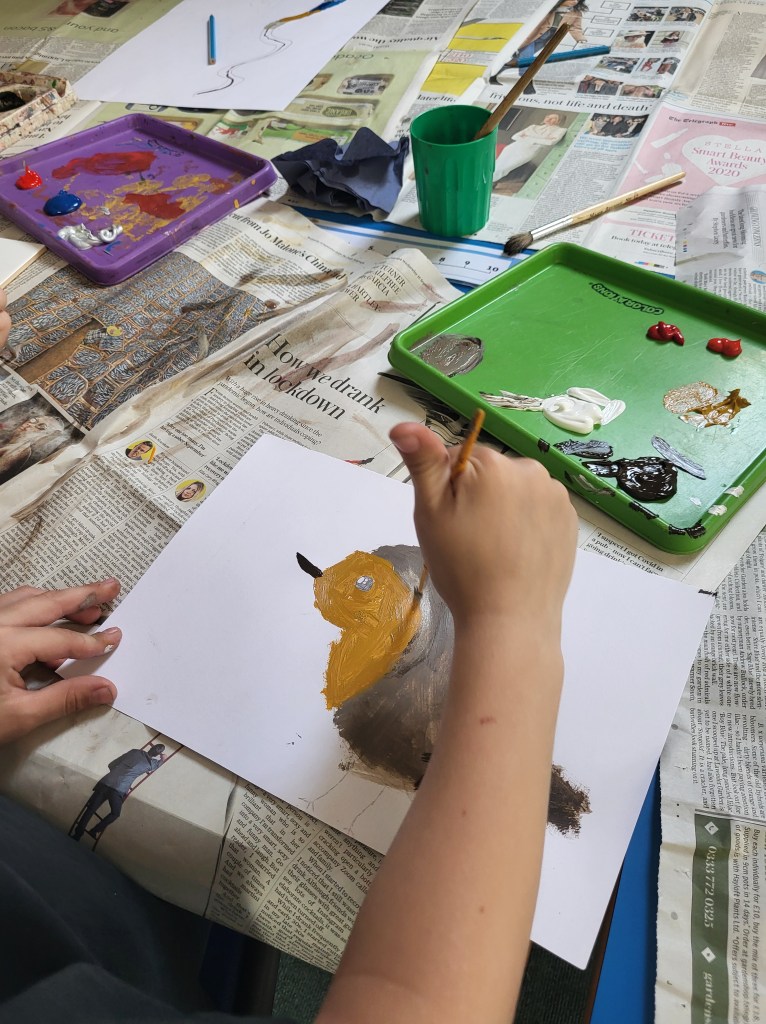
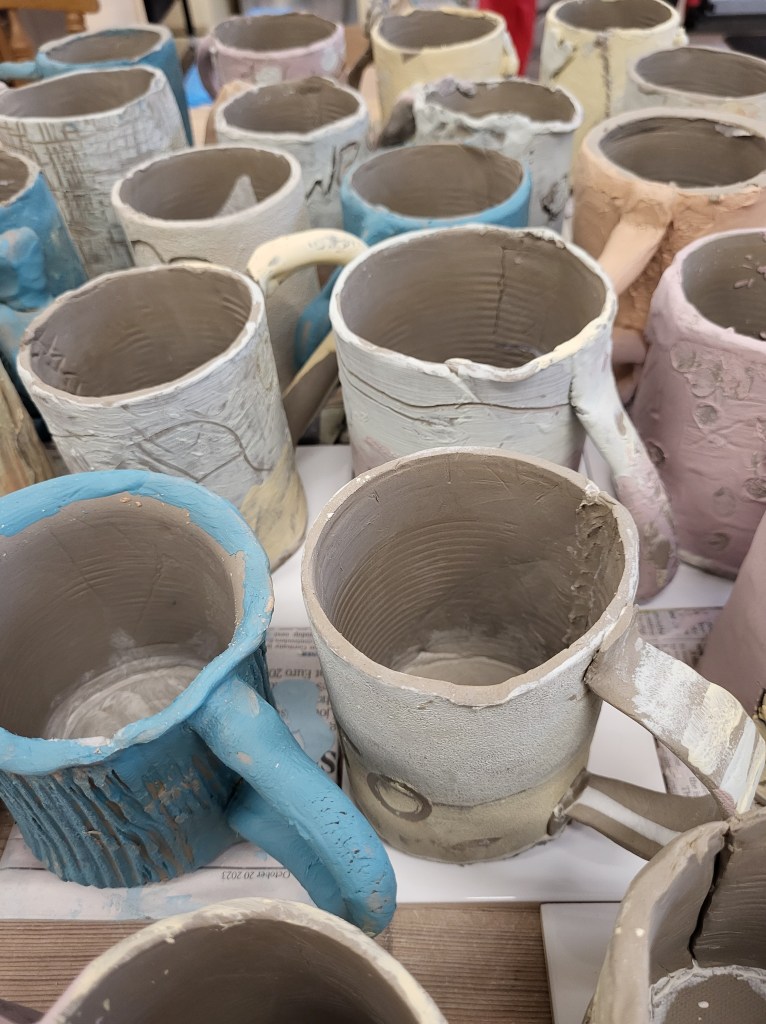
I am new to visiting schools as an artist but, as an ex teacher, I have firm ideas about how I organise a classroom and what to expect in terms of outcomes from a lesson. Clearly workshops are different – better and more challenging in equal measure. If I am going to make a habit of engaging with schools, now is the time for a bit of a wash-up session.

I think that the artist need to be entirely self sufficient in terms of having all equipment to hand, even though this requires financial outlay in the first instance. If you need the school to provide anything, that needs spelling out beforehand. Teachers are busy people. It isn’t fair to bounce them with requests for things five minutes before a session begins! At the same time, if they say they can provide something which you are going to rely on, you need confidence that it will be there.

How can you ensure that the outcomes will be as satisfactory as possible for all parties? The artist needs to be unambiguous about what the school can expect and firm about what is sensible: don’t let the teacher expect their class entry to the Turner Prize after a two hour session!

One slightly thorny issue is who is responsible for the children’s conduct. Teachers know what to expect from the children in their charge. It is entirely fair to expect a member of staff to be in attendance to facilitate willing, successful and happy engagement. I don’t think the artist should ever be in the position of having to tell a child off for inappropriate behaviour.

I absolutely don’t want to miss the child who needs thing explained in a different way before they can engage with the task. It isn’t fair on them.

This term I have only charged for materials and firing costs. There were good reasons for this but it was a mistake. There is a risk of workshops being undervalued if you don’t put a value on them. Plus the time involved in preparation and in processing the work and returning it after firing and glazing is considerable. I have done my last ‘workshop for love’!

Perhaps the answer is to have a proper, formal contract. Casual emails tend to get lost in a teacher’s ever growing inbox so something which sets out expectations and responsibilities on both sides seems sensible. I am wondering if this should be printed and mailed to the school on real paper. Would that make it more official? Would it be more or less likely to get lost? Answers on a postcard, please!