Its Right In Front of You, Stoopid!

Well, if you talk like that, of course you can’t!

Weeks and weeks of apparent brain ache are about to be over.  I have the distinct feeling that part of my problem since the beginning of this final semester has been my attitude to my tutors.  I had practically made up my mind – and so, I think had they – that the road to the decision on what to make for the final work was likely to be fairly tortuous and so, as is the nature of a self fulfilling prophesy, it has proved to be just that!  All the time, the answer has actually been staring me in the face.  I have been gaily making and making but I have made the fundamental error of telling my tutors that I didn’t know what I was doing.  I really should know better!  I know perfectly well from being on the “other side of the desk”, as a teacher for many years, that if a child says they don’t get it or cant do it, they don’t!  They cant!  And the teacher believes them!  But if you say to a child ‘yes, you can, I know you can’, they find that it is suddenly so much easier than they thought.  Its all about attitude.  Because my tutors have been asking me things such as ‘So are we going to have the same tortuous route as usual?’ that is precisely what I have been presenting them with.  Timely reminder to self – never, ever, for any reason, be negative with a child who is vulnerable – it will end in tears!

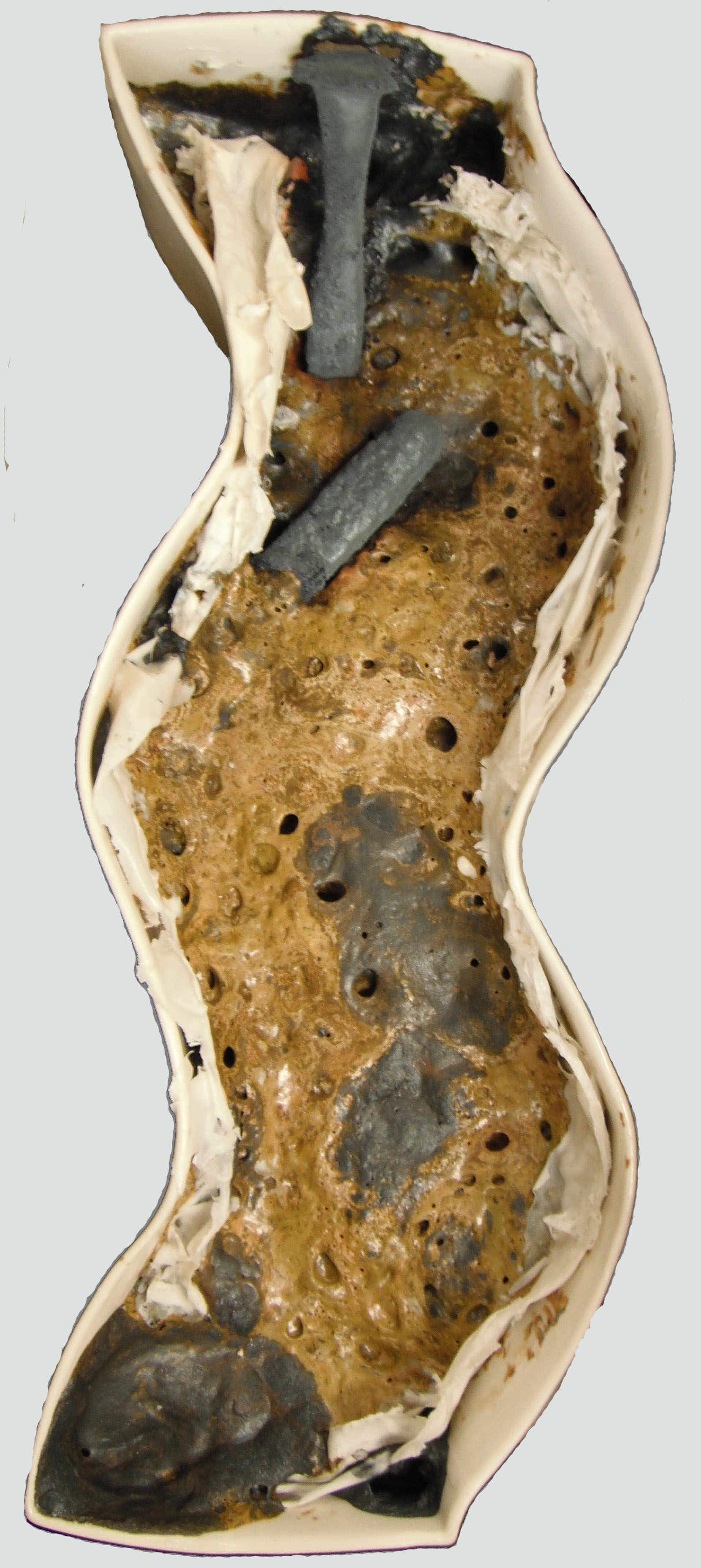
So, just in case anyone is the least bit interested in the aching of my potty mind,  I am creating an eclectic range of work for the final show.  It is based loosely on my love of Cornwall and my fascination with relationships within and between objects and people.  I have not decided yet how it will be exhibited, that will depend on how it speaks to me as the body of work develops.  I shall use local materials, mud larking finds and natural glaze materials.  I shall make and then abuse moulds and my work will reflect my thoughts.  The way it develops will depend on how I am feeling and the ideas that strike me and, no, I am not the least bit concerned that nothing is finished yet – the best is clearly yet to come.
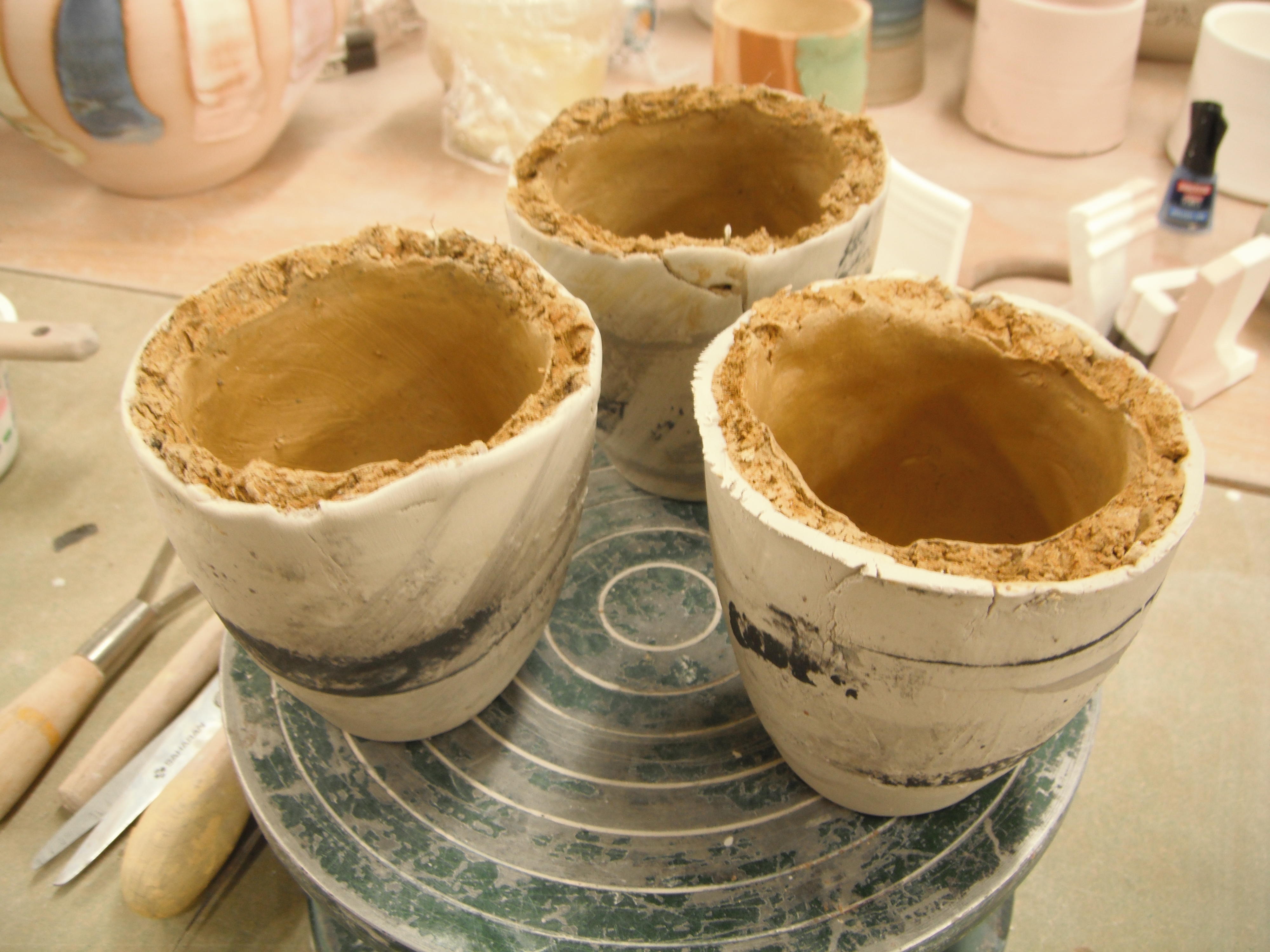
The best is yet to come . . .

Does Skill Matter?

My instant response to the above question is yes, of course it does!  But hang on a second, if that is the case how do we explain the success of Du Champ’s Read Mades, or Andy Warhol’s Brillo Boxes.  Surely there is not a lot of skill there – anyone can plonk a box of cleaning materials on a plinth or screw a urinal to the wall.  And yet these pieces are universally recognised as great, much talked about and very well known pieces of art.  So maybe skill does not matter at all.  If that is the case then, why does going to art college seem so important?  Why am I spending every free moment working on technique and glaze chemistry?

Marcel Duchamp, Fountain.
Andy Warhol, Brillo Soap Pads
Anish Kapoor Marsyas 2002 07
Anish Kapoor, Marsyas. 2002

Artists like Damien Hurst and Anish Kapoor employ a workshop full of artists to make for them.  I remember having a fierce argument with a fellow student when studying at Bath Spa where I maintained that it was cheating if, as an artist, you did not actually make the work.  Several years on I have changed my point of view.  I find myself appreciating that there is skill in the idea and that it might be better if someone with more technical acumen actually executed that idea according to your instructions.  If, as an artist, your piece requires a considerable degree of careful mould making or engineering then perhaps there is justification in getting a skilled technician to follow your design brief.  Does this mean that the work is yours or theirs?  If the work of art is about the idea and the semiotics within that idea are yours, then isn’t that a high level artistic skill?

Damien Hurst, For The Love of God

I suppose that as a ceramic artist, much of the “art” is in the tactile nature of the material and in the making.  In which case, surely ceramics requires the artist to be the maker.  yet, on reflection, maybe that also rather depends.  An artist who relies on their skill on the wheel to throw vessels must surely get their hands dirty and ‘feel the clay’.  But even here, they might only be the ideas person who, having given shape to the idea , would chose to pass it on to others to follow instructions. Who, then, is the artist?

As I get drawn further into my course I become more and more aware of what I can’t do!  What of the skills which I lack – do they matter?  Or am I going to reach a point when I decide that I know what I want but it would be best; more successful; less wasteful of time and resources if my staff made the work for me?

My gut feeling is that I will never tire of getting my arms sunk to the elbows in buckets of mud, nor of exploring its behaviour for myself and that, for me, the ideas belong to the artist but, in my case at least, so does the clay!  River Journey, Bridget Macklin, 2014 River Journey, Bridget Macklin, 2014 River Journey, Bridget Macklin, 2014