This week we were presented with the paper work for our final semester at college. We have to produce self directed work for an exhibition. The first sentence in the ‘blurb’ is: ‘There is only one main assignment in this unit – the self planned project’. Harmless enough one might say – make work, stick it on a plinth, job done. But, and it is quite a big but, I really don’t think it is as simple as that. The document goes on to ask a number of questions which we were told it was essential that we answer for ourselves before we get very much older and while some were relatively simple: ‘How long will you spend on research?’ others imply potential life changing decisions: ‘Who are you aiming to reach?’ and ‘Are you influenced by ecological or political concerns?’ Hmmm . . . . . In other words am I doing this just for me and my granny – God rest her soul – or would I like to be the next BIG thing? Good questions; deserving of an answer.
Before I knew where this was leading there were flip charts all over the kitchen table and a very deep and meaningful discussion going on about life after the Diploma. It demanded the bouncing around of ideas such as what about other income streams for both me and my darling husband – or do we retire, nip down to St Mawes, destroy Tregony Bridge and never stir this side of the border again? In fact it is so very tempting to do that! And why not? I can make away in a studio in Cornwall and we can travel all over the world and come back to sail, play and explore galleries. Or is there more to life than this? I really can’t decide. . . . . . 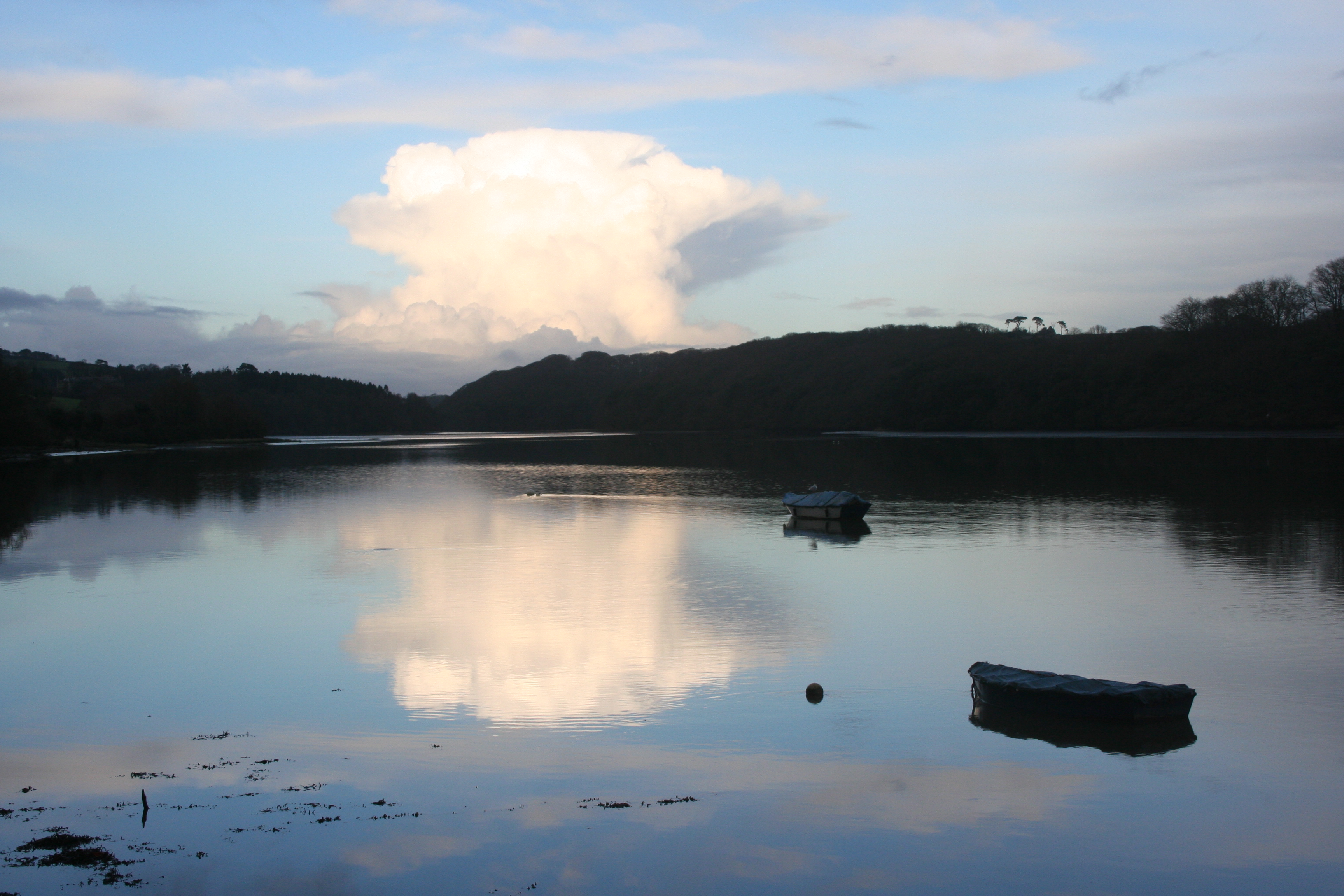
![ab06[1]](https://bridgetmacklin.com/wp-content/uploads/2014/12/ab061.jpg)
![Folded-blue[1]](https://bridgetmacklin.com/wp-content/uploads/2014/12/folded-blue1.jpg)
![lucie%20rie%20bowl_0[1]](https://bridgetmacklin.com/wp-content/uploads/2014/12/lucie20rie20bowl_01.jpg)
 Bridget Macklin